Personal Finance Tips: 9 Smart 2026 Money Moves
Want to feel calmer about money this year? These practical personal finance tips are built for real life in 2026, when prices still pinch and interest rates keep shifting. You do not need a finance degree or a six-figure salary to win with money. You need a simple plan, a few good habits, and the discipline to repeat them every month.
Below you will find a clear roadmap: how to budget without burning out, how to kill debt faster, and how to grow savings that actually keep up with inflation. Each step is small on its own. Stacked together, they change your financial life.
Why Solid Personal Finance Tips Matter in 2026
The cost of living has reset higher, and wages have not fully caught up. According to the Consumer Financial Protection Bureau, millions of households still carry revolving credit-card balances month to month. That means money leaks out as interest instead of building your future.
Good habits fix the leak. When you control your cash flow, you stop reacting to emergencies and start planning for goals. You sleep better, argue less about money, and make decisions from strength instead of fear.
The 50/30/20 starting point
A famous rule splits your take-home pay into three buckets: 50% for needs, 30% for wants, and 20% for savings and debt payoff. Treat it as a flexible guide, not a cage. If rent eats more than half your income, trim the wants bucket first and protect the savings slice.
Build a Budget You Will Actually Follow
A budget is simply a plan for your money before the month starts. The best budget is the one you stick with, so keep it light. Track spending for two weeks, group it into categories, then set realistic limits.
- List fixed costs first: rent, utilities, insurance, minimum debt payments.
- Set a weekly spending number: one figure for groceries, gas, and fun.
- Automate the boring stuff: schedule transfers to savings the day you get paid.
- Review on Sundays: a five-minute check keeps small leaks from becoming floods.
Original tip: create a “slush” line of $40–$60 for the random costs that wreck most budgets — birthday gifts, a parking ticket, a school fee. When you expect the unexpected, one surprise no longer blows up your whole month.
Crush High-Interest Debt With a Clear Order
Debt with double-digit interest is the biggest drag on everyday finances. Attack it with a repeatable system instead of random extra payments.
- List every balance with its interest rate and minimum payment.
- Pay minimums on all of them so nothing goes delinquent.
- Throw every spare dollar at the highest-rate debt (the avalanche method) to save the most on interest.
- Prefer quick wins? Pay the smallest balance first (the snowball method) for motivation.
- Roll freed-up payments into the next debt until you are clear.
Either method works. The avalanche saves more money; the snowball keeps you motivated. Pick the one you will finish.
Grow an Emergency Fund That Protects You
An emergency fund is the shock absorber between you and debt. Aim for one month of expenses first, then build toward three to six months. Keep it in a high-yield savings account so it earns real interest and stays easy to reach.
| Goal stage | Target amount | Where to keep it |
|---|---|---|
| Starter buffer | $1,000 | High-yield savings |
| One month safety | 1x monthly expenses | High-yield savings |
| Full cushion | 3–6x monthly expenses | High-yield + money market |
Fund it automatically. Even $25 per paycheck adds up, and the habit matters more than the amount at first.
Use Mobile Tools to Stay on Track
Technology makes money management almost effortless in 2026. Peer-to-peer payment apps help you split bills, send rent, and move cash in seconds. If you use one, this detailed Cash App guide walks through setup, fees, and safety features so you avoid rookie mistakes.
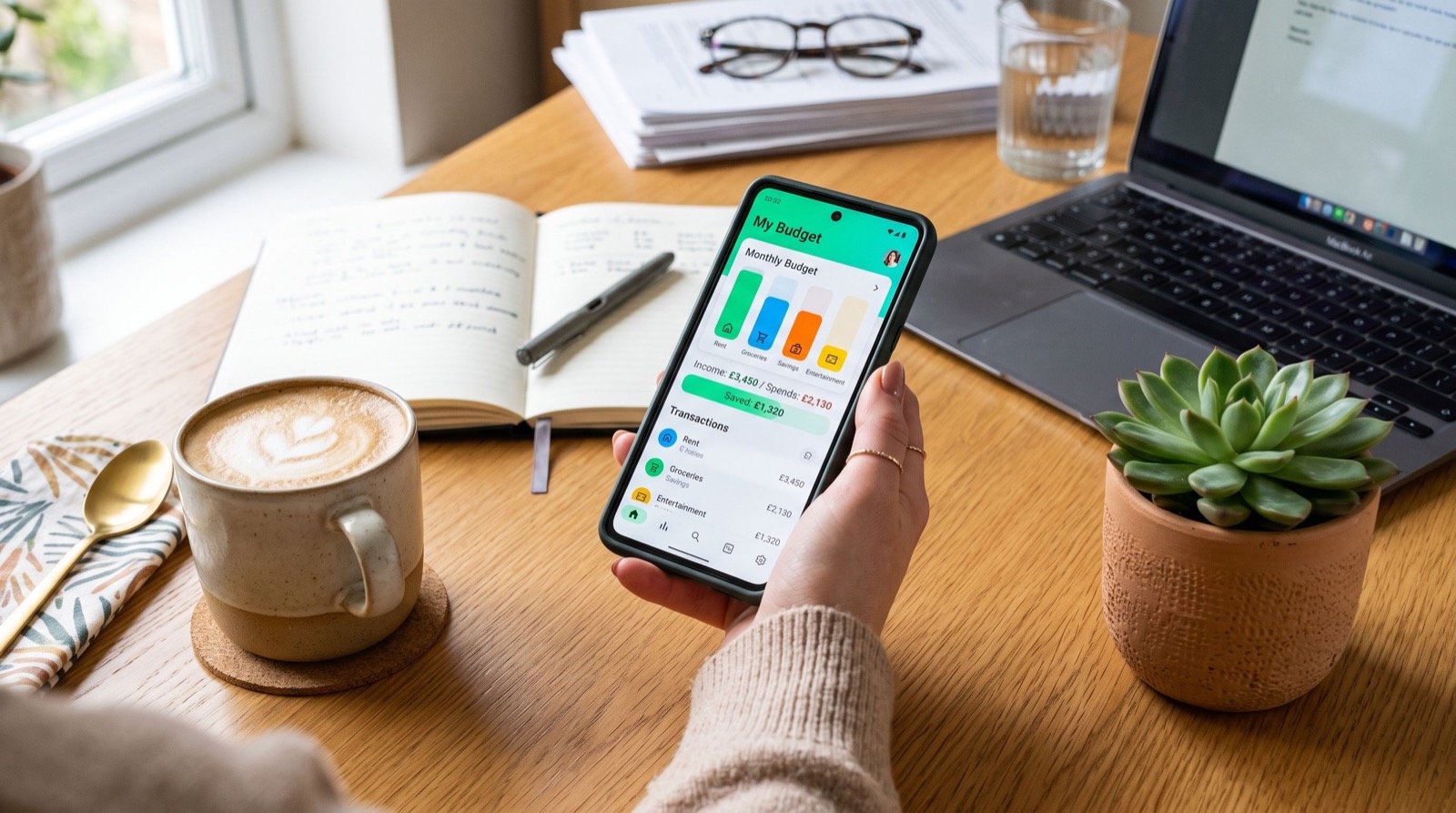
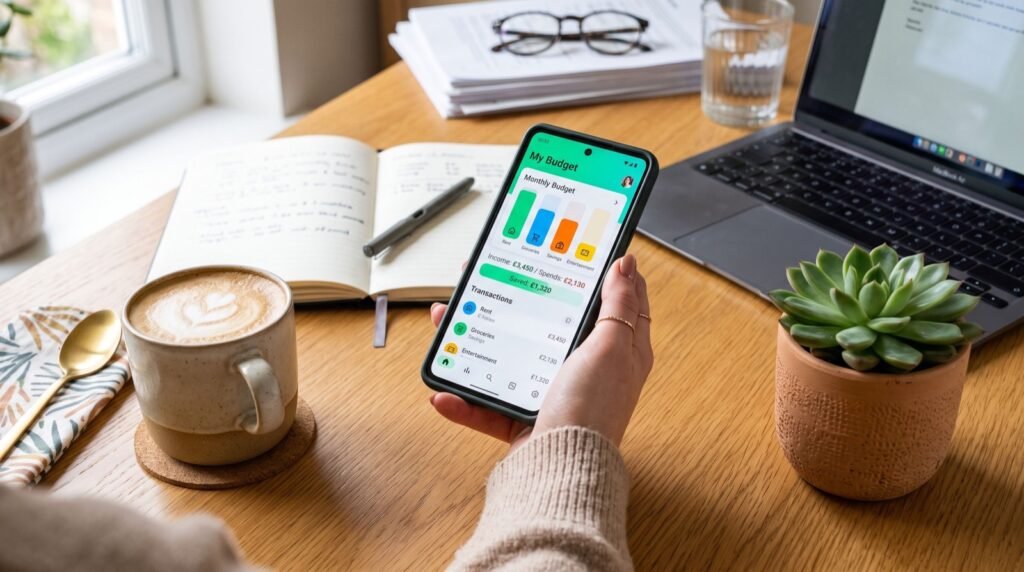
Pair a payment app with a budgeting app and a savings app. Together they automate tracking, round up spare change, and nudge you when a category runs hot. For hands-on help choosing providers, many readers lean on an experienced local team that reviews tools and setups.
Protect your accounts
- Turn on two-factor authentication everywhere.
- Never send money to strangers promising “free” returns.
- Check statements weekly to catch fraud early.
Invest Early and Let Time Do the Heavy Lifting
Once debt is under control and your buffer is funded, put money to work. Start with any employer retirement match — it is free money. Then consider low-cost index funds inside a tax-advantaged account. The learning tools at Investor.gov explain compounding, risk, and fees in plain English.
Compounding rewards patience. A modest, steady investment made in your twenties or thirties can outgrow a larger sum invested later. Time in the market beats timing the market.
Boost the Income Side of the Equation
Cutting costs has a floor, but earning more has no ceiling. In 2026, side income is easier than ever to start from a phone. A few extra hundred dollars a month can accelerate every goal on this list, from debt payoff to investing.
Think about skills you already have. Can you tutor, freelance, resell, drive, or rent out a spare room? Pick one path, commit for 90 days, and funnel the extra cash straight into your top financial priority instead of letting it blend into everyday spending.
- Sell what you no longer use: a weekend declutter can fund your starter emergency buffer.
- Monetize a skill: writing, design, repair, or coaching can become steady side income.
- Ask for a raise: come prepared with results, market data, and a specific number.
Treat every income bump as a decision point. Deciding in advance where new money goes keeps lifestyle inflation from quietly swallowing your progress.
Review and Adjust Every Season
Money plans are living documents, not stone tablets. Prices, rates, and your own goals shift through the year, so schedule a quarterly review. Check your budget categories, confirm your savings rate, and rebalance if one area has drifted.
This 20-minute habit keeps small problems small. It also lets you celebrate wins — watching your net worth climb and your debt shrink is the fuel that keeps good habits alive for years.
Frequently Asked Questions
How much should I save each month?
Aim for 20% of take-home pay split between retirement, emergency savings, and goals. If that feels steep, start at 5% and raise it 1% every few months until you hit the target.
What is the fastest way to improve my credit score?
Pay every bill on time and keep card balances below 30% of your limit. Payment history and credit utilization drive most of your score, so those two moves deliver the quickest gains.
Are budgeting apps worth it?
Yes. The best apps automate tracking, surface spending patterns, and send alerts before you overspend. Many are free, and even a paid app pays for itself if it stops one impulse purchase a month.
Should I pay off debt or invest first?
Clear high-interest debt (above ~8%) before investing, but always grab a full employer retirement match first. After that, split extra cash between debt payoff and investing.
Conclusion: Start One Habit Today
The best personal finance tips share one trait: they are simple enough to repeat forever. Pick a single move from this list — automate a transfer, attack one debt, open a high-yield account — and start today. Momentum builds fast once you begin. Ready to take control of your money in 2026? Explore more free guides and tools at WalletWisp and turn these tips into lasting habits.